Source Automatic Ceramic Hair Curler Iron for Salon, Spa, and Car
Find 30 automatic ceramic hair curler iron models with PTC heaters and LCD displays. Compare features like tangle-free cords, private labeling, and CE RoHS certifications for salon, spa, and commercial applications; compare the available evidence and request quotations based on your requirements.
Key considerations
Products List


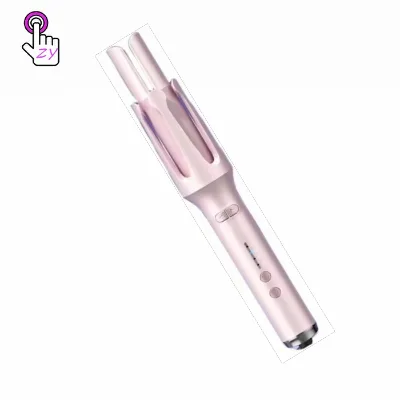


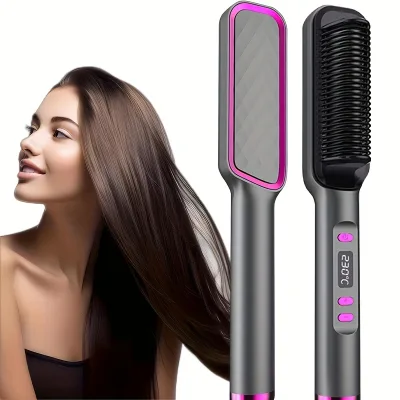


Comprehensive Sourcing Guide
Automatic Ceramic Hair Curler Iron Sourcing Guide
Procuring automatic ceramic hair curler irons requires distinguishing between models designed for high-volume salon use and those intended for commercial or retail distribution. The observed market data indicates a diverse range of applications, including professional salon environments, spa facilities, and even specific commercial settings like garages, suggesting that buyers must align product selection with their specific end-user requirements. Understanding these application nuances is critical before engaging with suppliers, as the functional demands of a high-end salon differ significantly from those of a general retail outlet.
Buyers should also note that the product landscape includes various configurations, such as automatic curling mechanisms with LCD or LED displays and customizable features like private labeling and transfer printing. The availability of customization options, including color and plate material, allows for tailored solutions, but it also necessitates a rigorous review of the supplier's capability to execute these specific requests. A clear definition of the target market and the required product features will streamline the selection process and prevent mismatches between the ordered specifications and the final delivered goods.
Product Scope and Observed Listing Signals
The current market listings for automatic ceramic hair curler irons reveal a price range between 2.40 and 15.95 USD, reflecting significant variation based on features, materials, and order volume. This wide spectrum suggests that lower-priced units may lack advanced features like digital temperature control or premium plate coatings, while higher-priced models likely offer enhanced durability and specialized functions. Buyers must carefully evaluate the price-to-feature ratio to ensure they are not overpaying for unnecessary specifications or underestimating the cost of quality components like PTC heaters and ceramic plates.
Observed minimum order quantities (MOQs) vary drastically from as low as 2 units to as high as 3000 units, indicating a market that accommodates both small-scale testing and large-scale commercial distribution. This flexibility allows buyers to start with small sample orders to verify product quality before committing to bulk production, which is a prudent strategy for mitigating risk. However, the substantial difference in MOQs also implies that unit costs will fluctuate significantly based on volume, requiring buyers to calculate the total landed cost rather than focusing solely on the per-unit price listed in initial inquiries.
Technical Specifications to Verify
When evaluating technical specifications, the heating mechanism is a primary consideration, with PTC (Positive Temperature Coefficient) heaters being a standard feature in the observed product range. These heaters provide rapid and consistent heat distribution, which is essential for effective styling and user safety. Buyers should verify that the specific model they select includes a PTC heater and confirm the temperature settings, which typically range from 80 to 220 degrees Celsius depending on the model, to ensure compatibility with various hair types and styling needs.
The physical construction of the curler iron, particularly the plate material and barrel dimensions, also demands close scrutiny. Available options include ceramic, ceramic-coated, and titanium plates, each offering different heat retention and friction characteristics. Furthermore, barrel lengths and diameters vary widely, with lengths ranging from 107mm to 180mm and diameters spanning from 19mm to 38mm. Selecting the correct combination of plate material and barrel size is crucial for achieving the desired curl pattern and ensuring the device meets the specific styling requirements of the target customer base.
Compliance and Safety Documentation
Safety compliance is non-negotiable when sourcing electrical hair styling tools, and the observed listings frequently cite certifications such as CE, RoHS, PSE, ETL, and various regional standards like SAA and KC. These certifications indicate that the products have undergone testing for electrical safety, electromagnetic compatibility, and restriction of hazardous substances. Buyers must request valid certification documents for the specific model they intend to purchase, as the presence of a generic certification claim does not guarantee that every unit in a production run meets the required safety standards.
In addition to electrical safety, buyers should verify that the product packaging and labeling comply with the regulations of the destination market. The observed data mentions standards like CE ROHS and specific product dimensions, which are often required for customs clearance and retail compliance. Ensuring that the supplier provides accurate documentation for all applicable standards, including those for the plug types (US, AU, UK, EU), is essential to avoid delays at customs and potential legal liabilities in the target market.
Cost Drivers and Commercial Terms
Several factors drive the cost of automatic ceramic hair curler irons, with customization, packaging, and production time being significant contributors. The availability of private labeling and transfer printing services adds value but also increases the unit cost and production lead time. Buyers should anticipate that custom orders will require a longer production window, typically around 25 days, compared to standard stock items, and this timeline must be factored into the overall supply chain planning to avoid stockouts.
Commercial terms regarding sample delivery and production lead times also play a critical role in cost management. Sample delivery times are observed to be between 4 to 6 days, which is relatively fast, but the full production time can extend to 25 days. Buyers need to negotiate clear terms regarding payment schedules, shipping methods, and penalties for delays. Understanding the relationship between order volume, customization requirements, and lead times will help in creating a realistic budget and ensuring that the procurement process remains efficient and cost-effective.
Supplier Qualification and Quality Control
Supplier qualification should focus on their ability to maintain consistent quality across large production runs, especially given the wide range of MOQs observed in the market. A reliable supplier must demonstrate a robust quality control system that covers raw material inspection, in-process checks, and final product testing. Buyers should inquire about the supplier's experience with specific certifications and their track record in meeting the stringent requirements of international markets, particularly regarding electrical safety and material durability.
Quality control extends to the packaging and labeling processes, which are critical for maintaining brand integrity and ensuring product safety during transit. The observed data indicates various packaging options, such as 12 pieces per carton or 25 pieces per carton, and the use of regular boxes for individual units. Buyers should verify that the supplier has a standardized packaging protocol to prevent damage during shipping and that all labeling, including private labels and safety warnings, is applied accurately and consistently across all units in the shipment.
Long-Term Procurement Checks
Establishing a long-term procurement relationship requires ongoing monitoring of product performance and supplier reliability. Buyers should implement a system for tracking product returns and replacements, as the observed data mentions after-sales services that include return and replacement policies. Regularly reviewing these metrics will help identify any recurring quality issues or supplier performance gaps that could impact the brand's reputation and customer satisfaction in the long run.
Continuous communication with the supplier is also essential for adapting to market changes and evolving customer needs. As the product landscape shifts, with new models like the A129, V139, and A7 emerging, buyers must stay informed about the latest technological advancements and design trends. Maintaining a proactive dialogue with the supplier ensures that the procurement strategy remains aligned with market demands and that the supply chain remains resilient against potential disruptions or changes in regulatory requirements.
FAQs
What certifications are available for automatic ceramic hair curler irons?
Certifications include CE, RoHS, PSE, ETL, CETL, SAA, SASO, BS, CB, and KC. These approvals ensure compliance with regional safety and environmental standards. Buyers can select models with specific certificates based on their target market requirements. This flexibility supports global distribution and regulatory adherence for commercial and salon use.
Can I customize the color and branding of these hair curlers?
Yes, customization is available for color and private labeling. Manufacturers offer custom-made colors and transfer printing features for branding. This allows buyers to create unique product identities. Customization supports brand differentiation in competitive markets. Buyers should confirm specific design capabilities and minimum order quantities with suppliers directly.
What is the typical lead time for samples and production?
Sample delivery typically takes 4 to 6 days. Standard production time is approximately 25 days. These timelines ensure quality control and manufacturing efficiency. Buyers should account for shipping duration when planning inventory. Lead times may vary based on order volume and customization complexity. Early communication with suppliers helps manage expectations effectively.
Which specifications are available for automatic ceramic hair curler barrels?
Barrel lengths include 107mm, 130mm, 150mm, and 180mm. Diameters range from 19mm to 38mm. These options cater to various styling needs. Ceramic or ceramic-coated plates ensure even heat distribution. Buyers can select specific models like A129 or V139 based on desired barrel dimensions and styling outcomes.
What temperature settings do these automatic hair curlers support?
Temperature settings range from 80°C to 220°C. LCD or LED displays allow precise control. This range accommodates different hair types and styling requirements. Higher temperatures suit thicker hair, while lower settings protect fine strands. Buyers can choose models with specific temperature ranges based on their target customer needs.
How are these hair curlers packaged for bulk orders?
Packaging varies by model, with options like 12 pieces per carton or 25 pieces per carton. Some models use regular boxes for retail presentation. Proper packaging protects products during shipping. Buyers should specify packaging requirements to ensure safe delivery. Bulk packaging efficiency helps reduce logistics costs and storage space.